«Without art, life is dull for me.» – Teo Jakob (1923–2000)
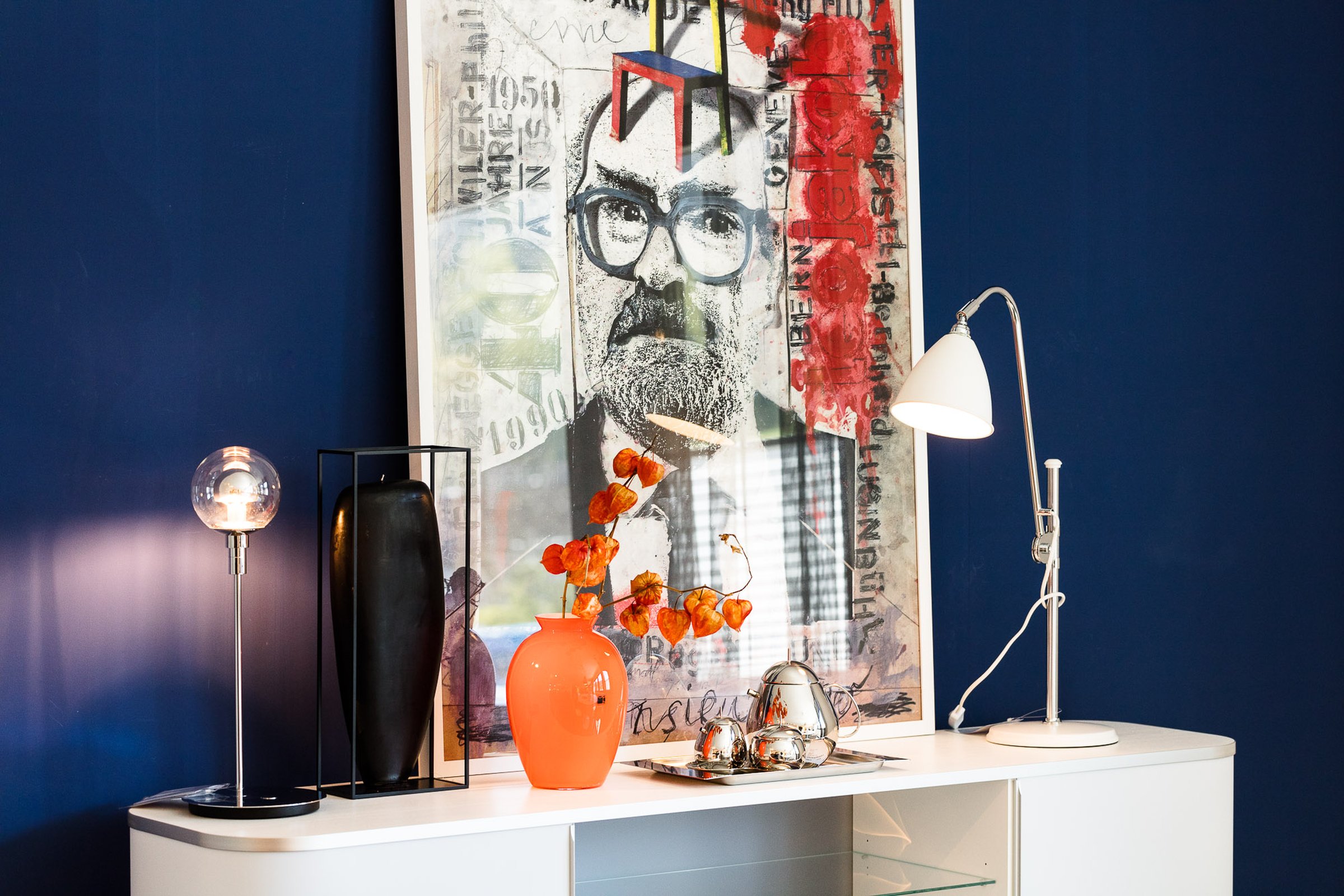
For teo jakob, designer furniture, interior design, and fine art are inextricably linked. Since the company was founded in 1950, an ever-varying selection of works from its own collection has always been on display in the showrooms.
Major Works from the Collection
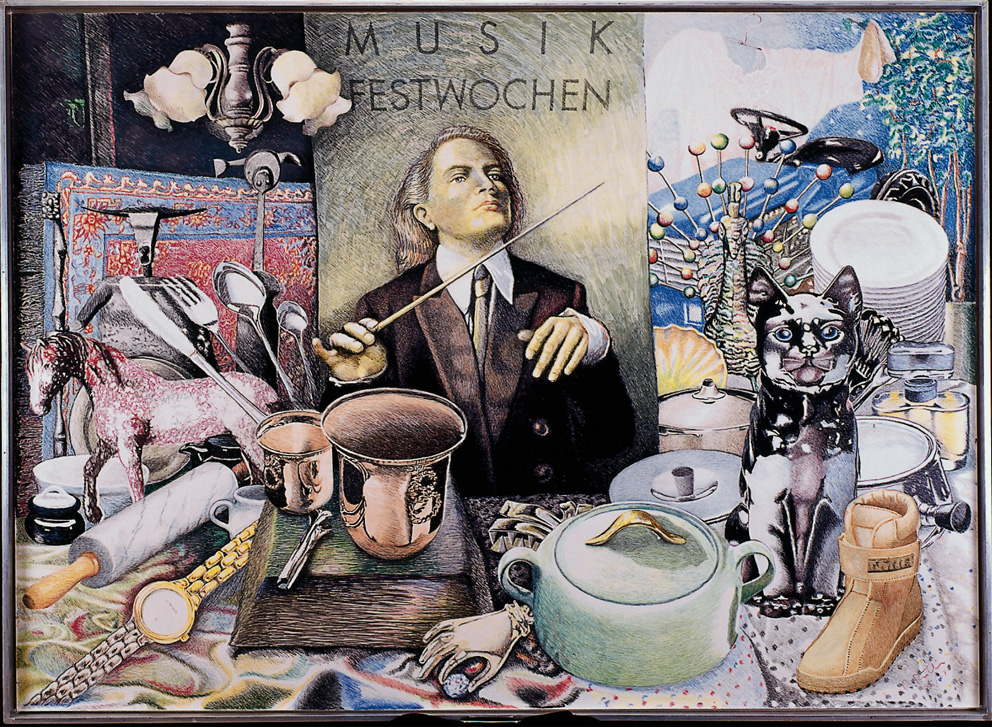
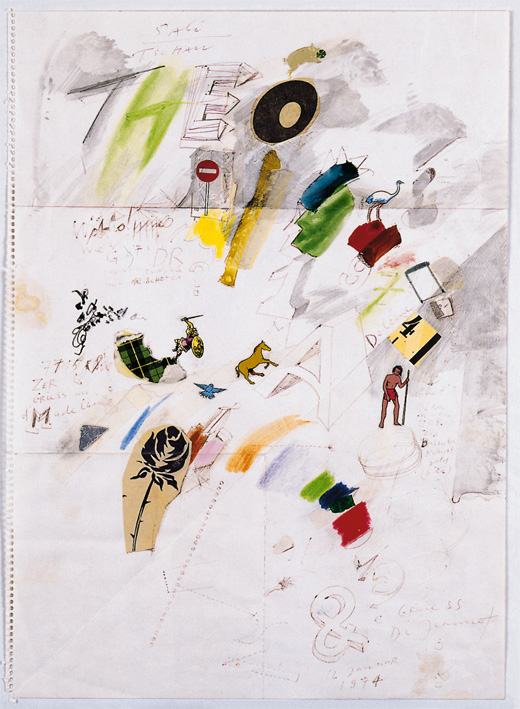
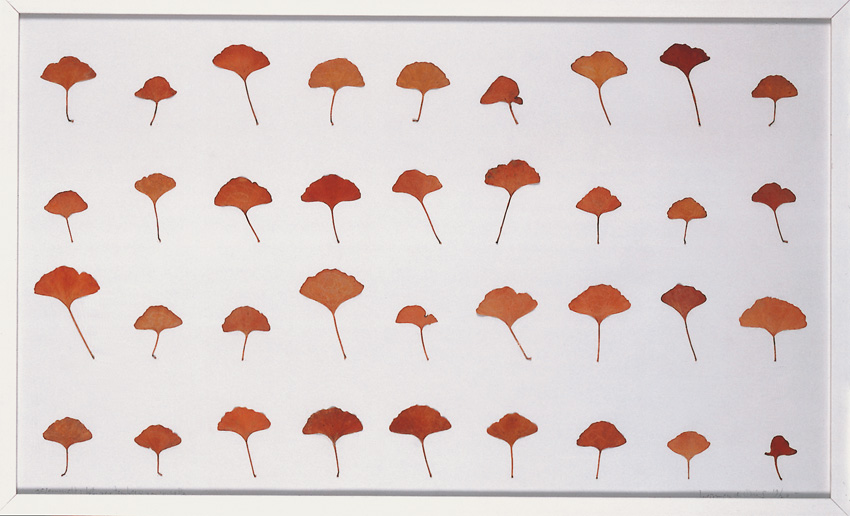
Art Curator
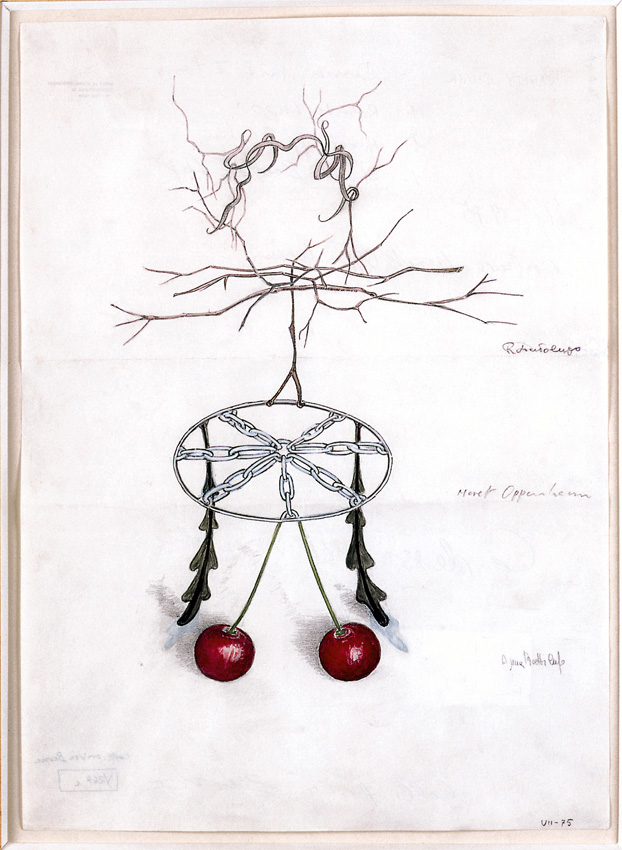
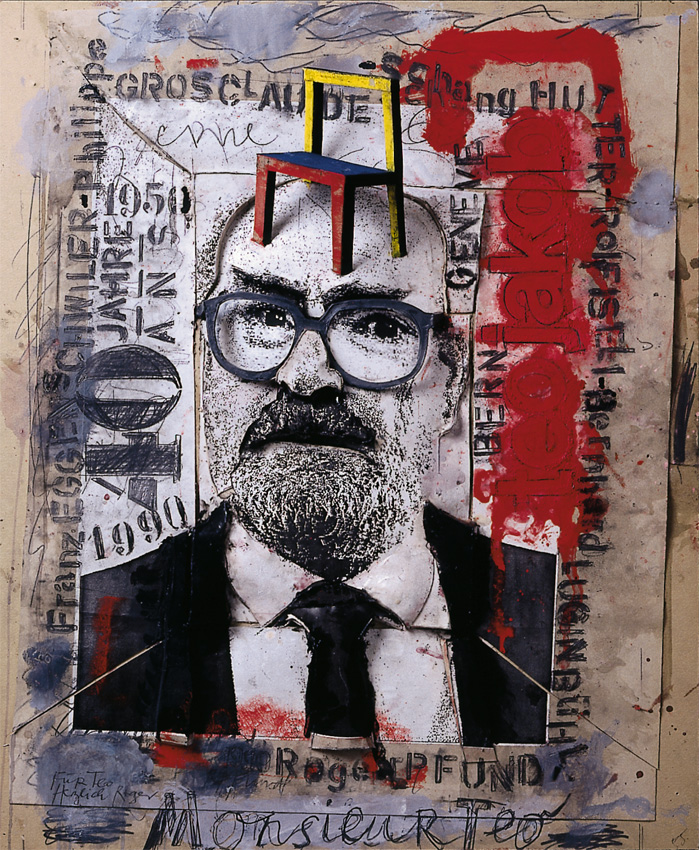
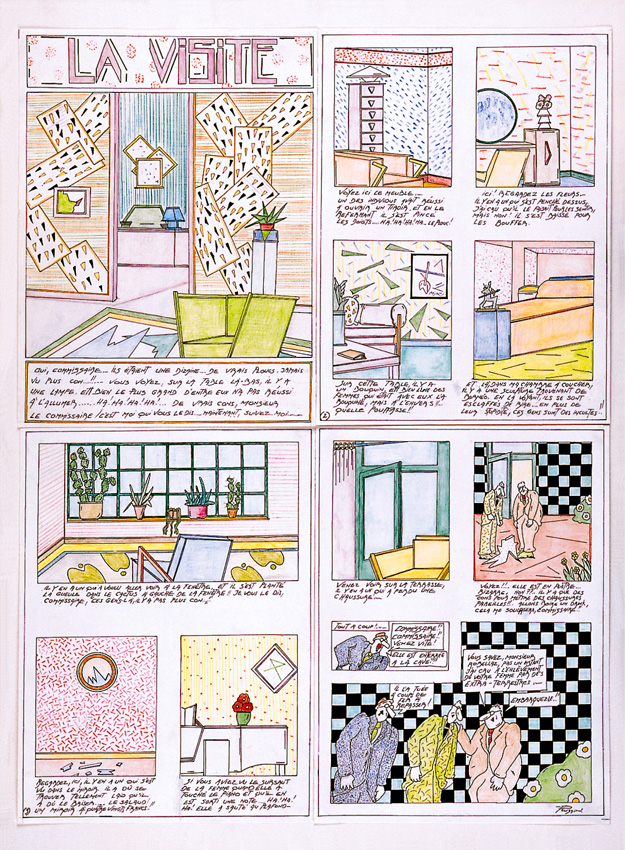
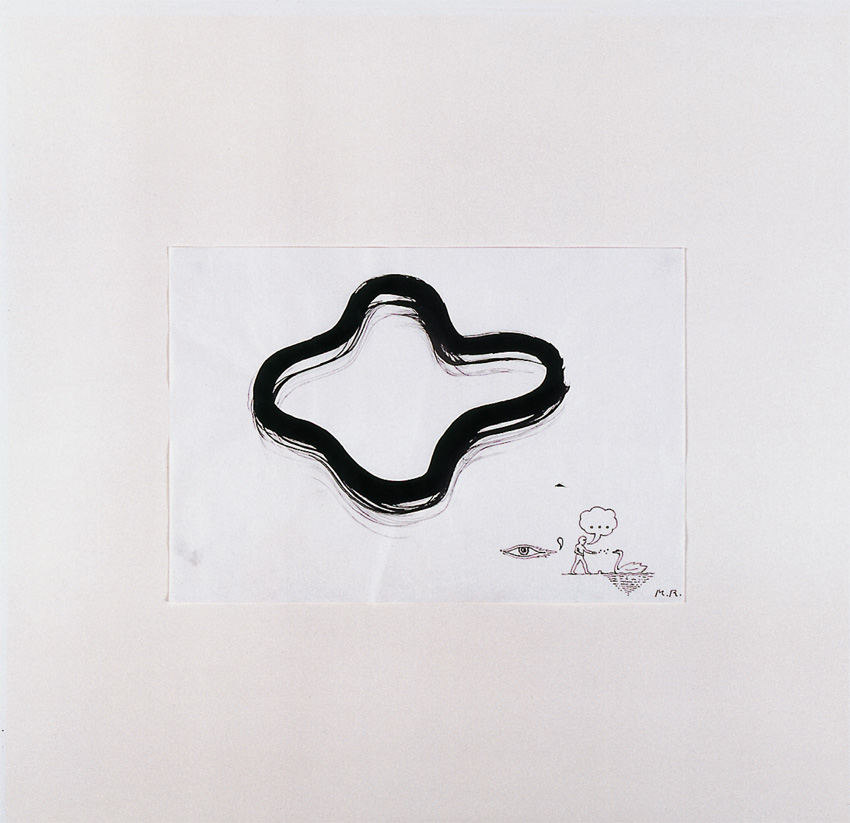
Christian Herren is co-curator of the Teo Jakob art collection. In the exhibition in Bern, he brings together selected art objects with pieces of furniture.
«Since the 1950s, teo jakob has been combining furniture, interior design and art. The Teo Jakob Art Collection Foundation’s collection shows how design classics and artistic works interact in the same space – and how this combination gives rise to a unique interior design culture.»
– Christian Herren, co-curator

Franz Gertsch has died
05.01.2023
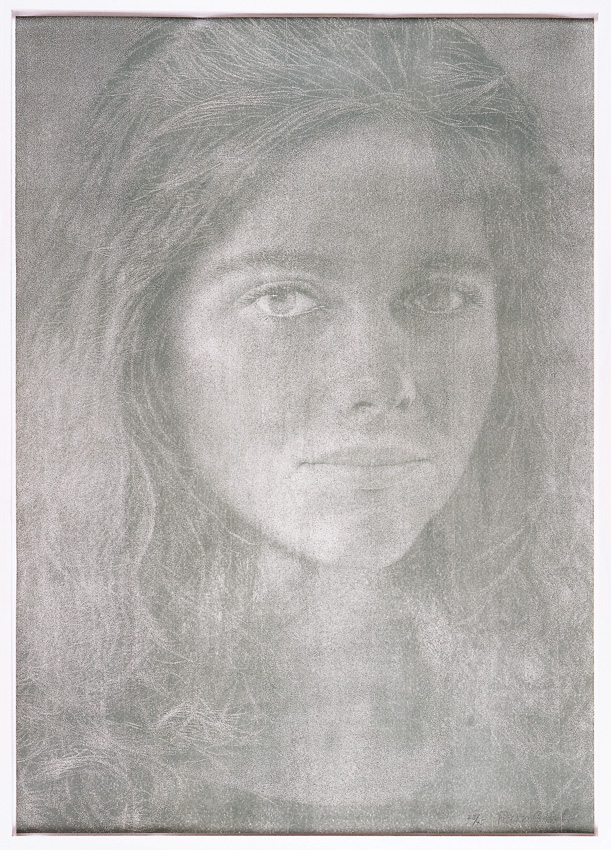
The Swiss painter and graphic artist Franz Gertsch (1930–2022) achieved international recognition for his monumental, hyperrealistic works. On 21 December 2022, the artist «passed away peacefully at the advanced age of 92» according to his family. He continued working in his always tidy studio until the very end.
We offer the bereaved family our heartfelt condolences and are grateful for the many warm, inspiring encounters with the artist.
Finding a Style in Black
02.11.2022
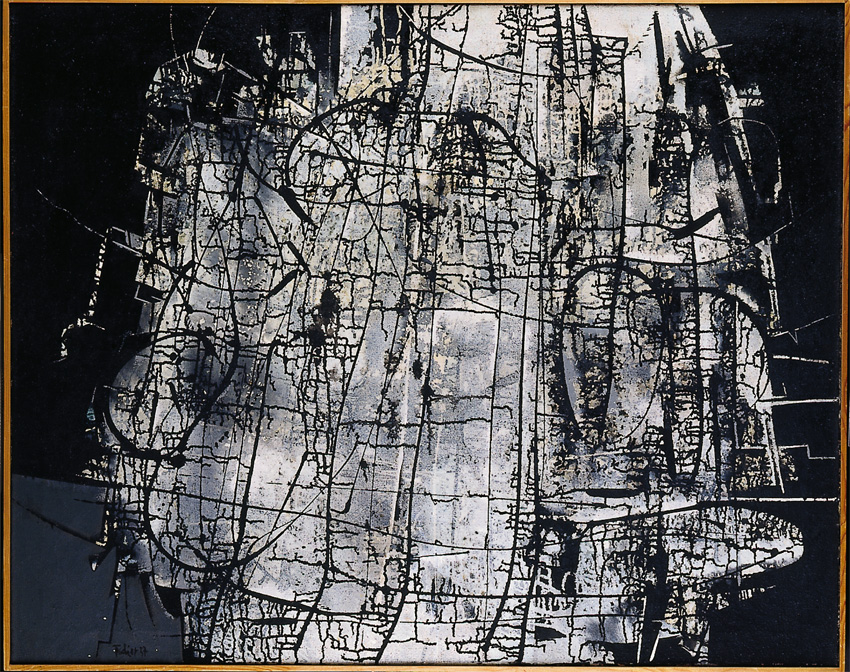
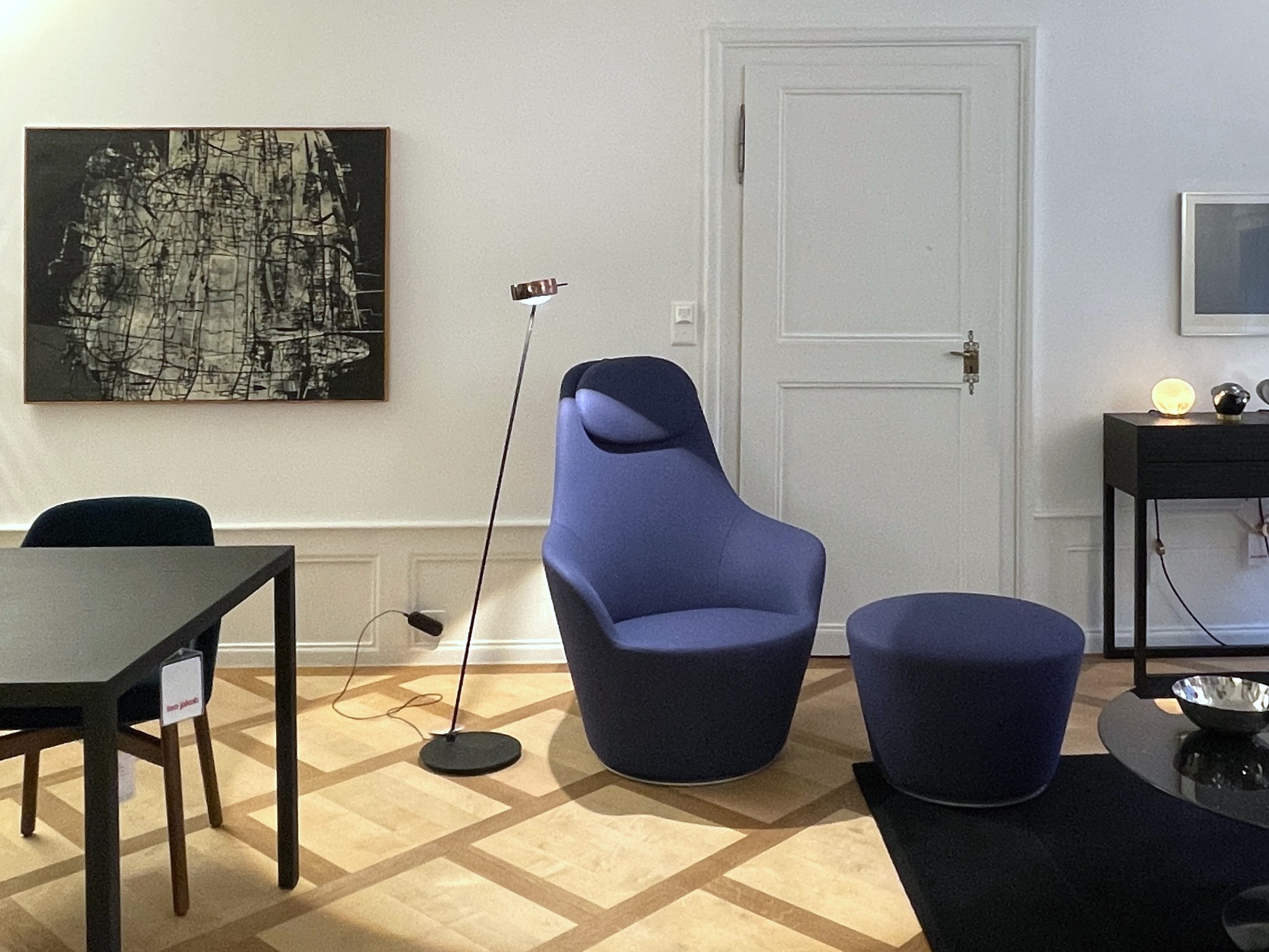
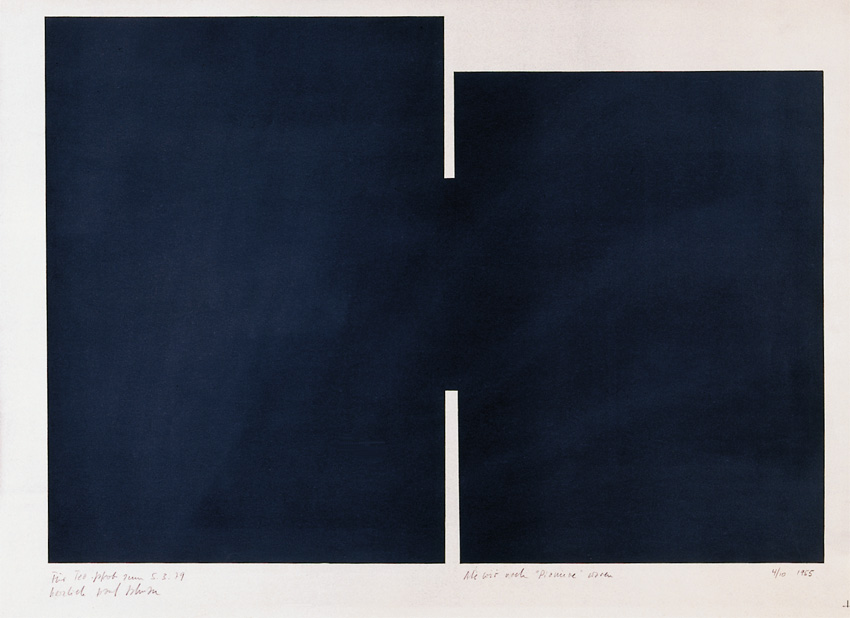
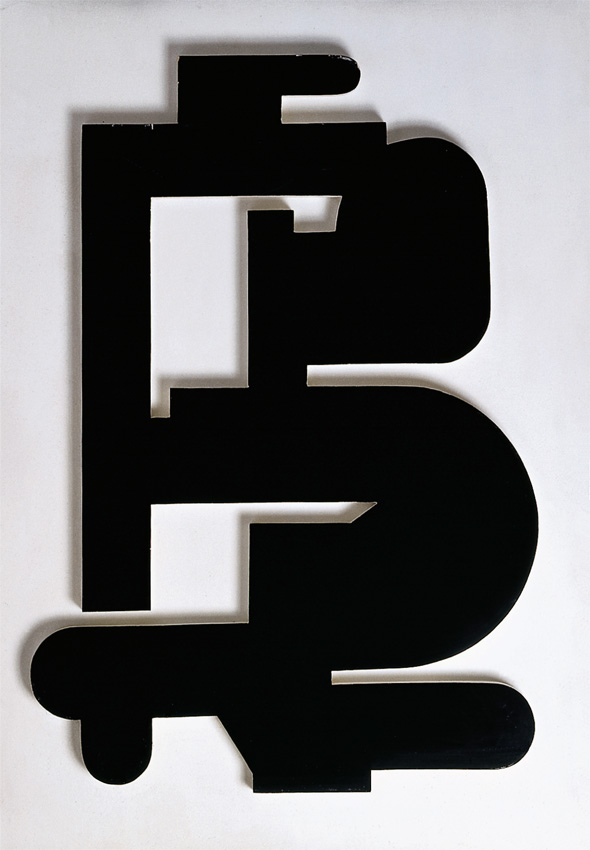
On the first floor of the branch at Gerechtigkeitsgasse 25 (Bern), a major work by Franz Fedier (painting) as well as two works by Paul Talmann (graphic print and relief) are on display.
Early works by these artists, which document very different styles. Although all three works were created at the same time and are rendered in black and white tones, the works differ significantly. The painting «Untitled» (1957) by Franz Fedier (1922–2005) is an early example of Swiss avant-garde abstract painting. Unlike Fedier’s earlier paintings, this one was created spontaneously, without a preliminary drawing or concept. Thus, the painting is neither bound to rules and styles nor is it supposed to display messages, motifs, or predefined structures and forms. The graphic print «Untitled» (1955) and the relief «Relief 3» (1954) by Paul Talmann (1932–1987), on the other hand, are characterised by a geometric composition that is not at all spontaneous, but meticulously planned. Inspired by mathematical and algebraic formulas and scientific theories, these two works are not concerned with the painterly «gesture» as in the case of Fedier, but rather with the sober translation of mathematical principles into works of art.
Finding a Style in Black
02.11.2022
On the first floor of the branch at Gerechtigkeitsgasse 25 (Bern), a major work by Franz Fedier (painting) as well as two works by Paul Talmann (graphic print and relief) are on display.
Early works by these artists, which document very different styles. Although all three works were created at the same time and are rendered in black and white tones, the works differ significantly. The painting «Untitled» (1957) by Franz Fedier (1922–2005) is an early example of Swiss avant-garde abstract painting. Unlike Fedier’s earlier paintings, this one was created spontaneously, without a preliminary drawing or concept. Thus, the painting is neither bound to rules and styles nor is it supposed to display messages, motifs, or predefined structures and forms. The graphic print «Untitled» (1955) and the relief «Relief 3» (1954) by Paul Talmann (1932–1987), on the other hand, are characterised by a geometric composition that is not at all spontaneous, but meticulously planned. Inspired by mathematical and algebraic formulas and scientific theories, these two works are not concerned with the painterly «gesture» as in the case of Fedier, but rather with the sober translation of mathematical principles into works of art.
Wrapped Kunsthalle and Artist Correspondence
02.11.2022
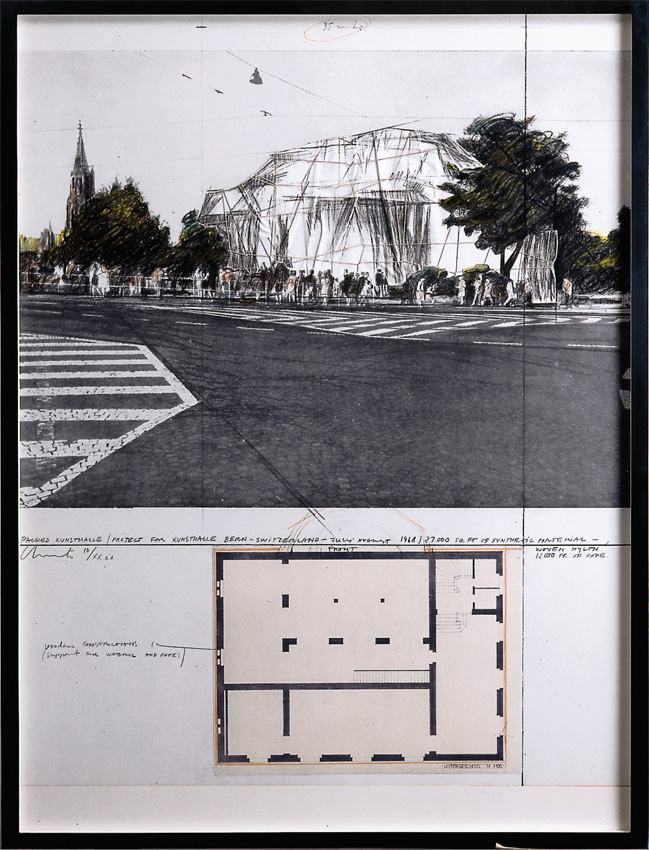
While the trained upholsterer and decorator, Teo Jakob, replaced plush and nostalgic regional style with modern design furniture, Bern, alongside New York and Paris, rose to become one of the most important cities for avant-garde art in the 1950s and 1960s:
Christo and Jeanne-Claude (1935–2020/1935–2009) carried out their first building wrapping in Bern, and the future Documenta curator, Harald Szeemann, showcased ephemeral artwork such as performances and installations in his groundbreaking exhibition “When Attitudes Become Form” at the Kunsthalle Bern.
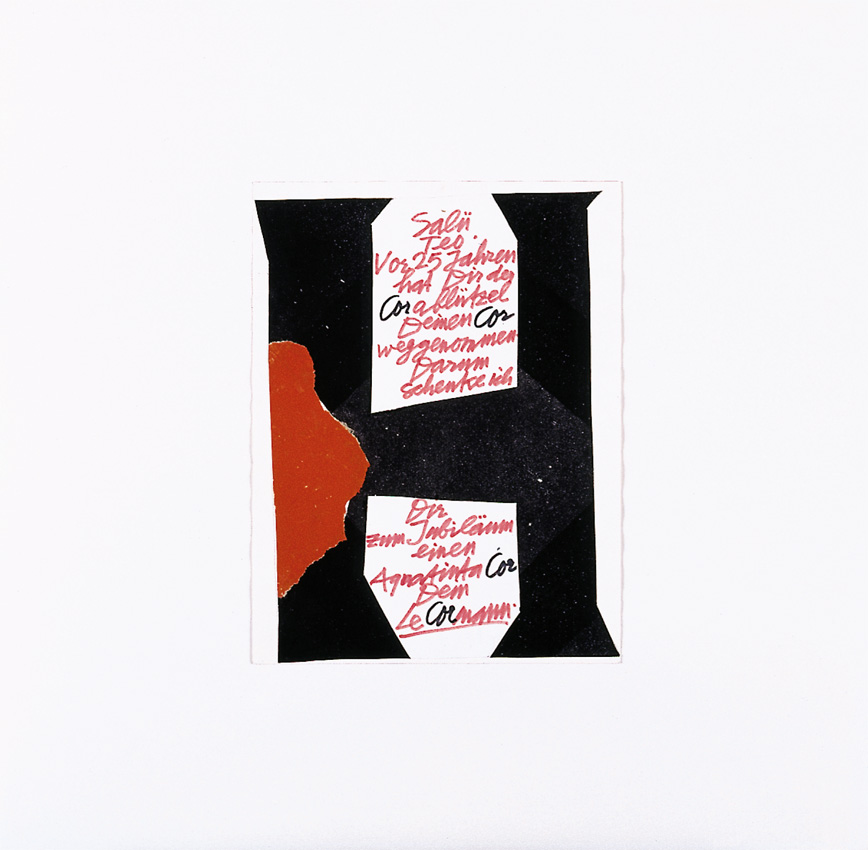
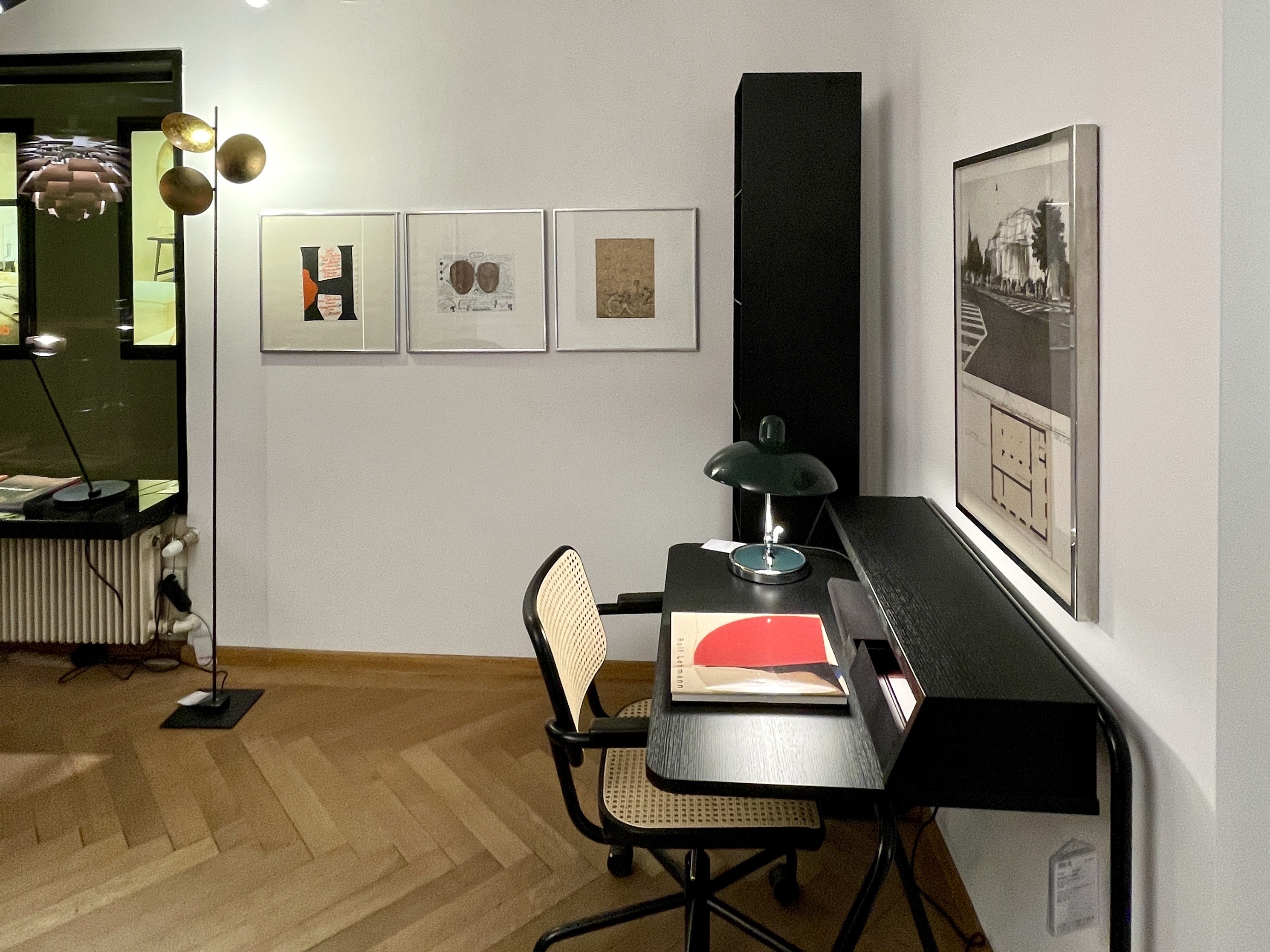
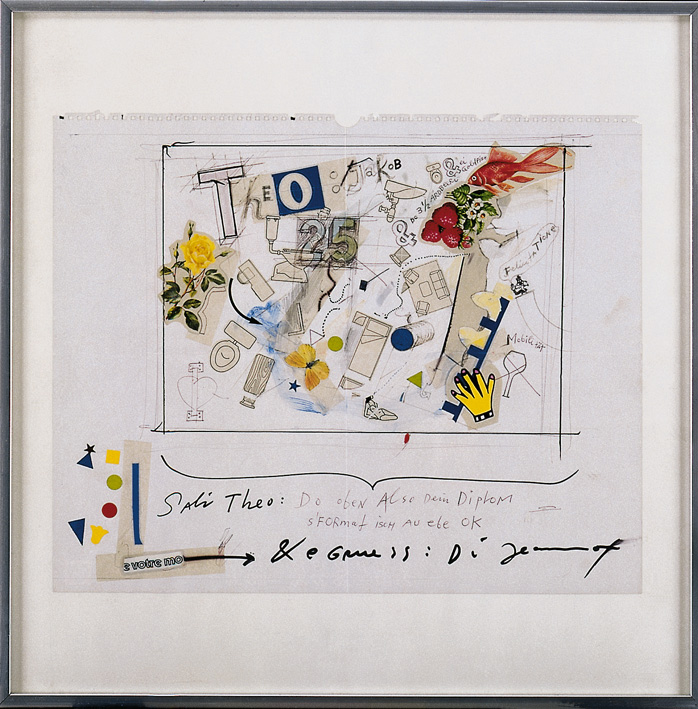
During this time, Teo Jakob began to integrate art into his company: local and international artists designed posters and exhibition spaces, and sometimes paid for their furniture with artwork. Teo Jakob displays their works in dialogue with furniture, lighting, textiles and accessories. – Beautifully designed letters bear witness to this exchange: In the showrooms of teo jakob, artist letters from Jean Tinguely (1925–1991) and Bernhard Luginbühl (1929–2011), among others, are currently on display. In 1955, Theodor Jakob commissioned graphic designer Alfred Hablützel to create his logo: a logotype composed of red Helvetica lowercase letters, which emphasises the pragmatic orientation and timelessness of the business to this day. With the removal of the «h» from the logo, Theodor is known solely as «Teo» from then on. – Read the story in the artist letter from Rolf Lehmann (1930–2005).
Le Corbusier»s Graphic Prints
02.11.2022
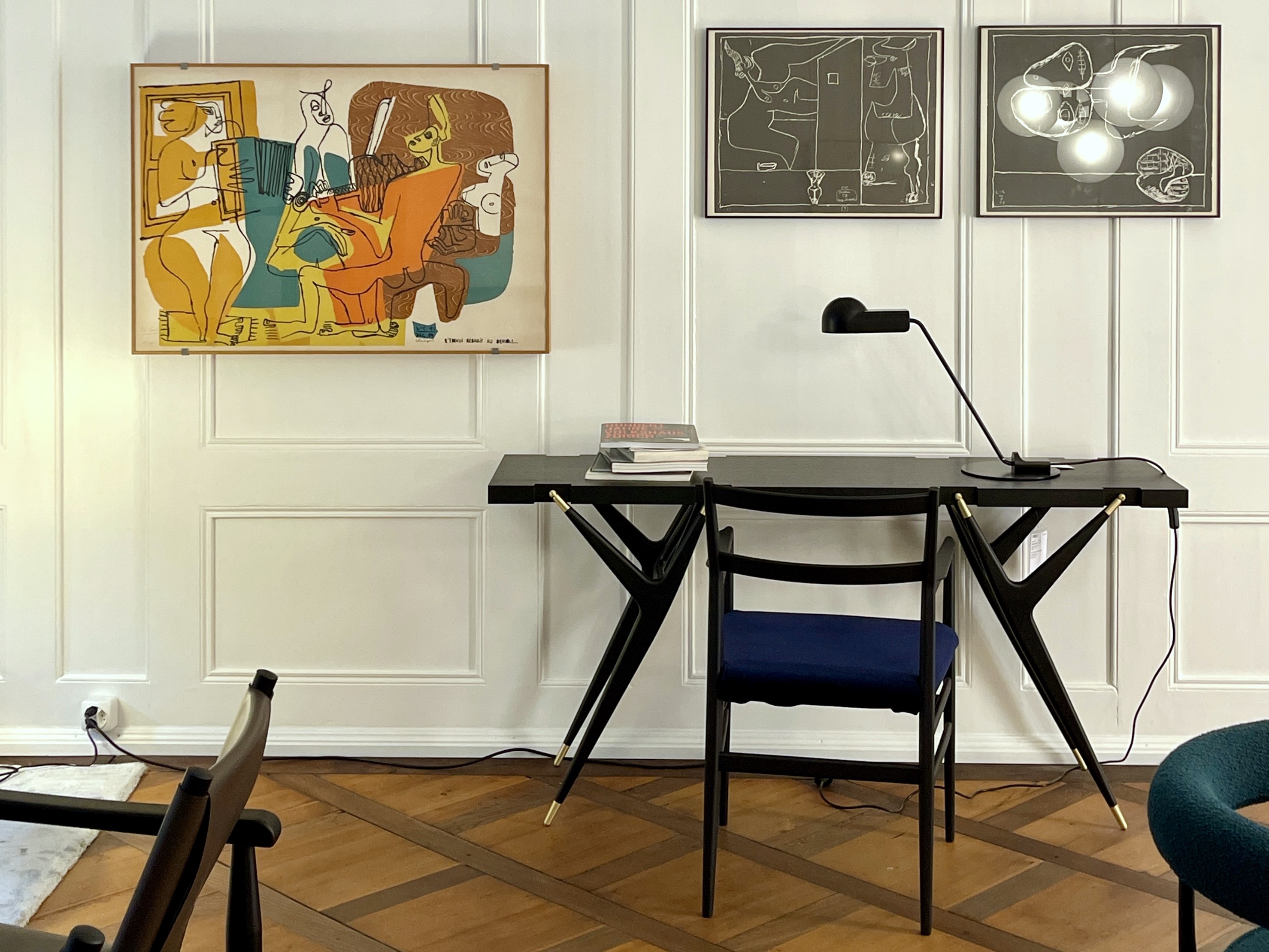
The «LC6» table (design: 1928) by Le Corbusier, Pierre Jeanneret and Charlotte Perriand is a classic, inspired by oval, metallic profiles from the early days of aircraft construction.
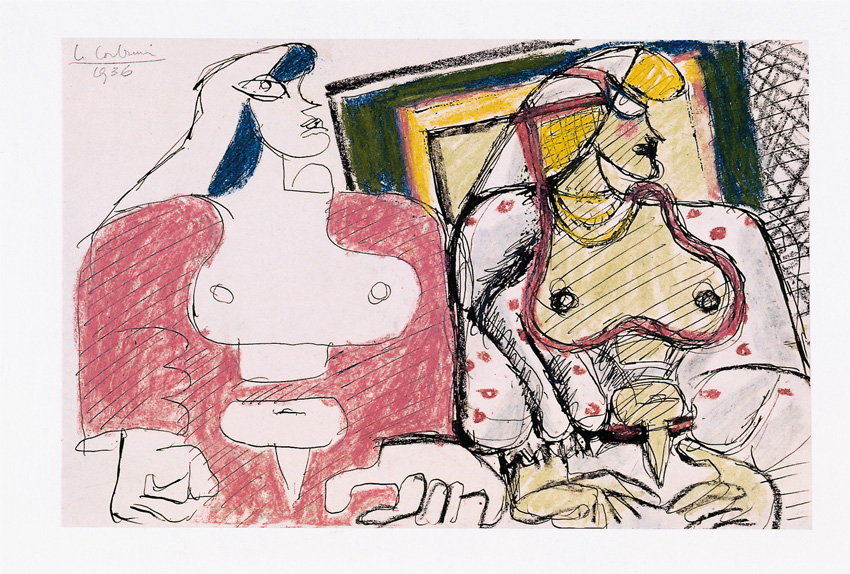
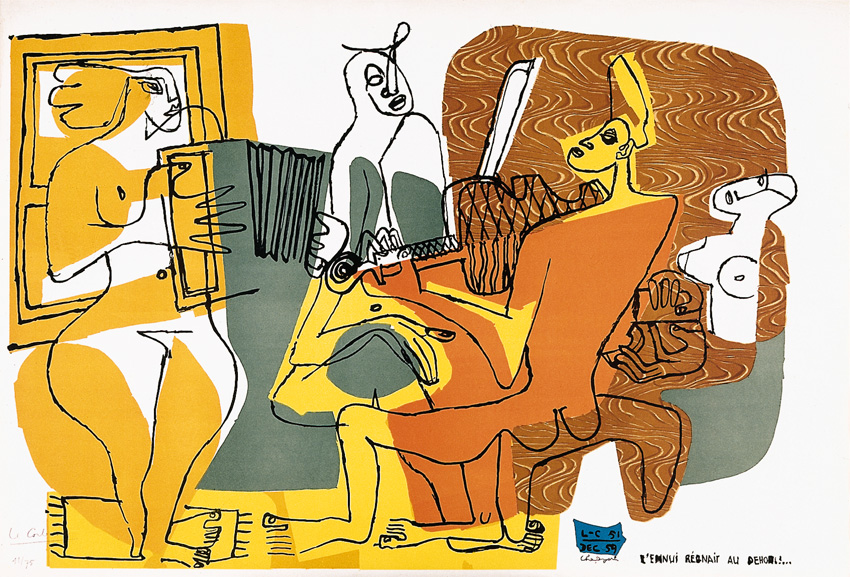
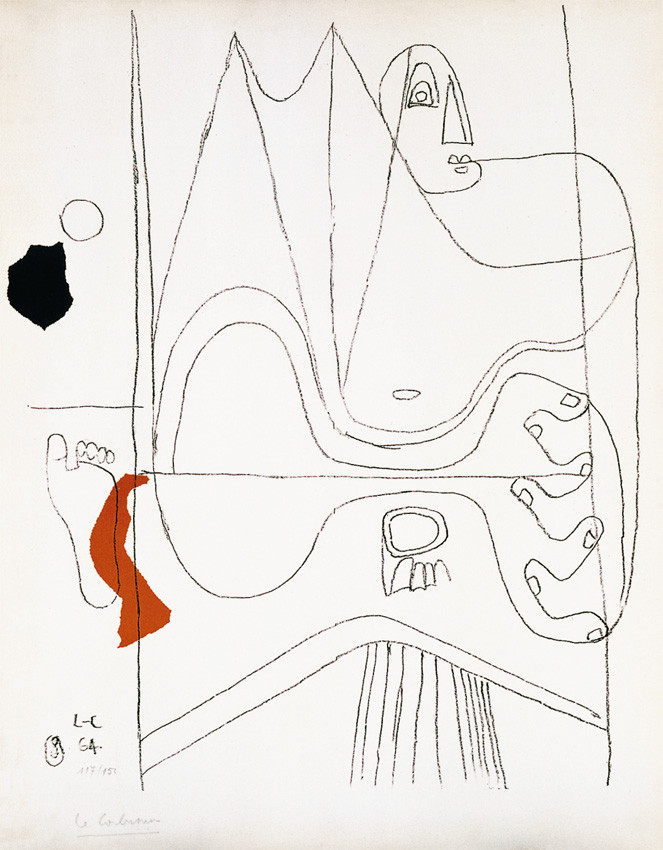
At teo jakob, with a new, comfortable seat height and with the blue tabletop designed by Perriand. Fitting with this are the «Indochine» armchairs (designed in 1927/43) by Charlotte Perriand as well as graphic prints by Le Corbusier (1887–1965) adorning the walls. During the development of his Modulor proportional system, Le Corbusier recognised the possible didactic function of such graphic prints. The idea of creating a new channel for popularising his own ideas and beliefs, alongside his books and countless essays, while at the same time increasingly presenting himself as an artist, seemed very appealing to him; ultimately, over 100 artistic graphic prints were produced, a small selection of which can be seen in the showrooms of the Teo Jakob Art Collection Foundation.
Artwork on Four Floors
02.11.2022
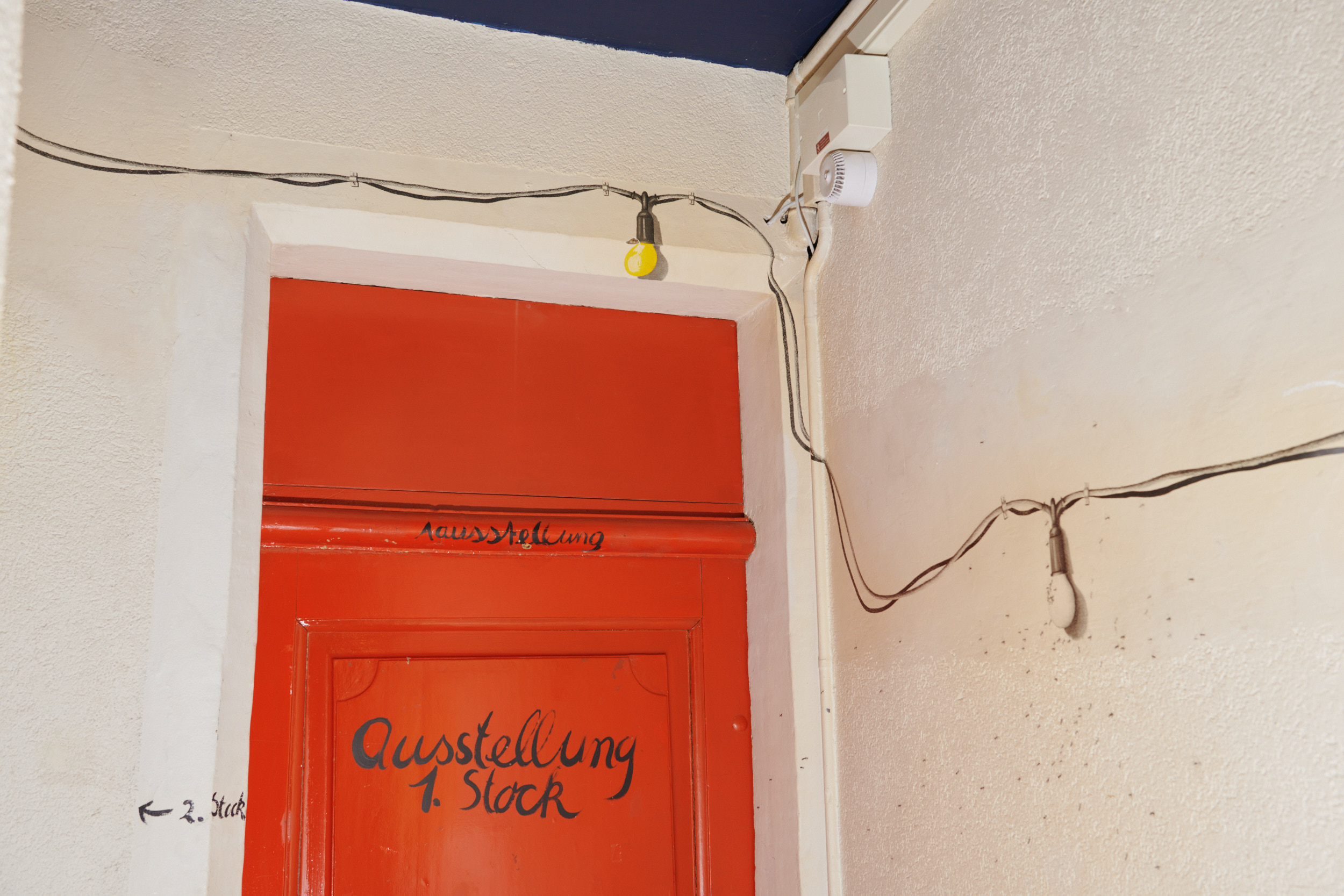
Let the mural «Lighting» (1971) by Alfred Hofkunst (1942–2004) lead you through another four floors at Gerechtigkeitsgasse 25 (Bern) – follow the «Lighting»!
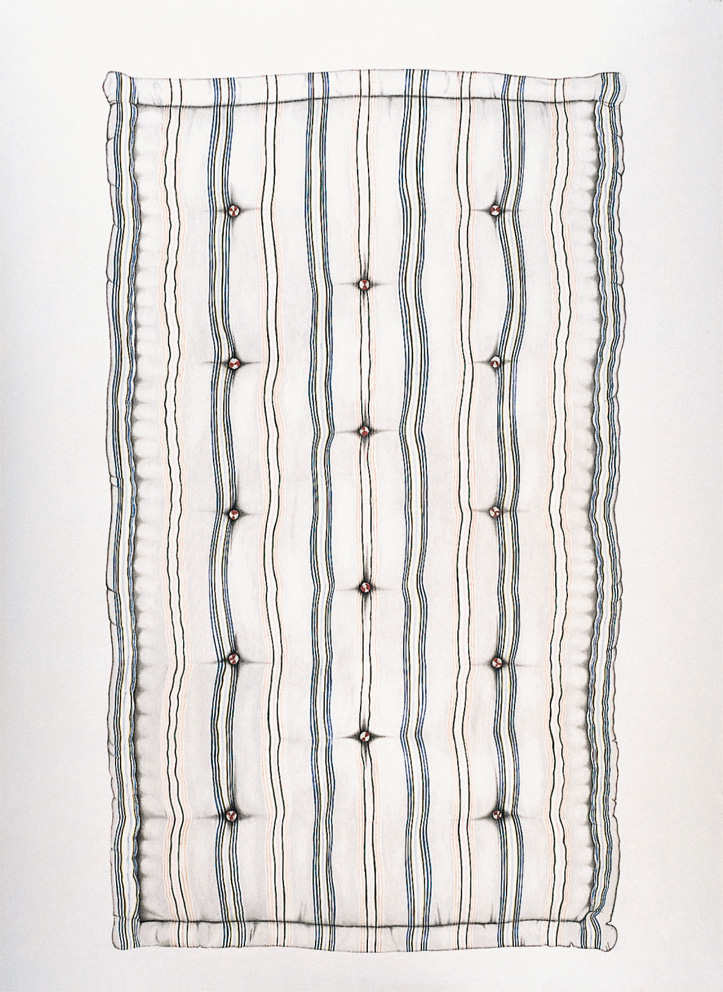
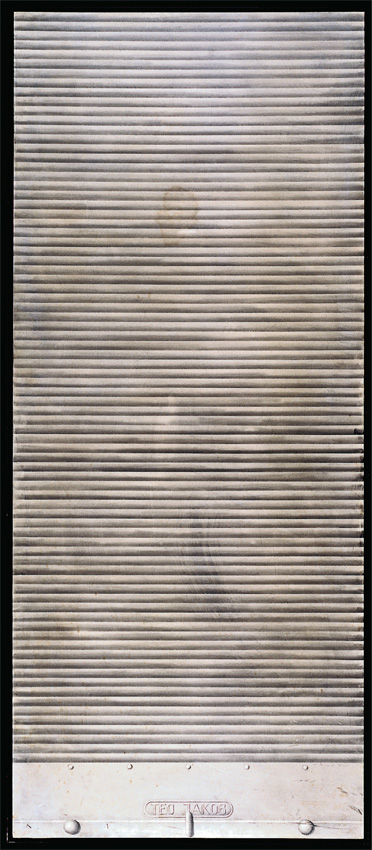
In addition to designer furniture, lighting and accessories, you will find a varying exhibition of artwork from the Teo Jakob Foundation Art Collection. Alfred Hofkunst is known for his finely detailed, photorealistic drawings. He is particularly interested in the material world and, with fine, hyperrealistic drawing lines, captures everyday objects—such as these light bulbs in the stairwell—on image media. Hofkunst»s oeuvre is part of the spirit of optimism and new beginnings that characterised the era, in which other young artists such as Franz Gertsch and Reinhard Rühlin also found themselves. These artists seek to distance themselves from the patriarchs of Concrete Art and, in the spirit of American Pop Art, return to figurative painting. Everyday themes and the thriving civilisation of the economic boom are captured in images. Have you already discovered the drawing «Shutters» by Alfred Hofkunst in the small shop window of the teo jakob branch at Gerechtigkeitsgasse 25?
Susi+Ueli Berger, Art Gallery Langenthal, 25/08–13/11/2022
02.11.2022
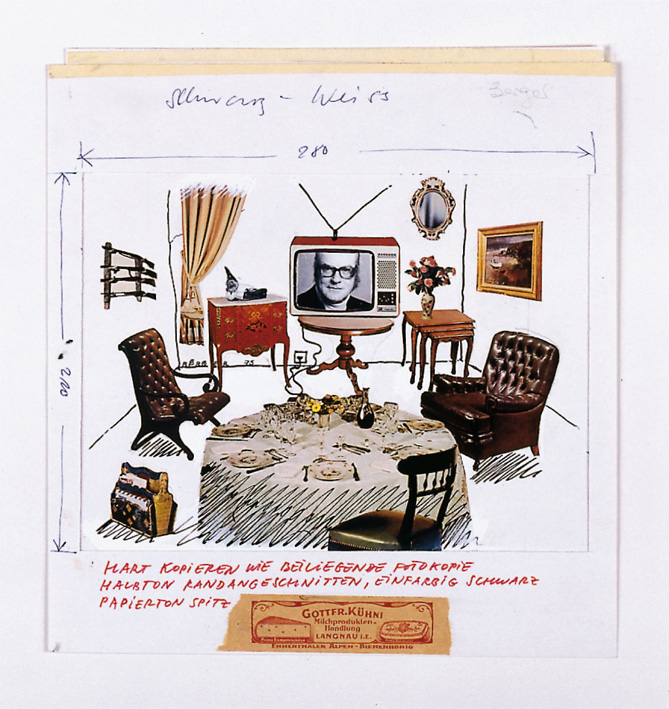
While the «Susi+Ueli Berger» exhibition is currently being shown at the art gallery Langenthal, you can also discover furniture and artwork by the artist couple in our showrooms. The Teo Jakob Art Collection Foundation features, in particular, paintings and objects by Ueli Berger; these are currently exhibited in Teo Jakob’s former flat – on the first floor of this building – including the wooden sculpture «Decomposed Sphere» (1965) and the collage «Teo Jakob on TV», with the latter having been created for the 25th anniversary of teo jakob.
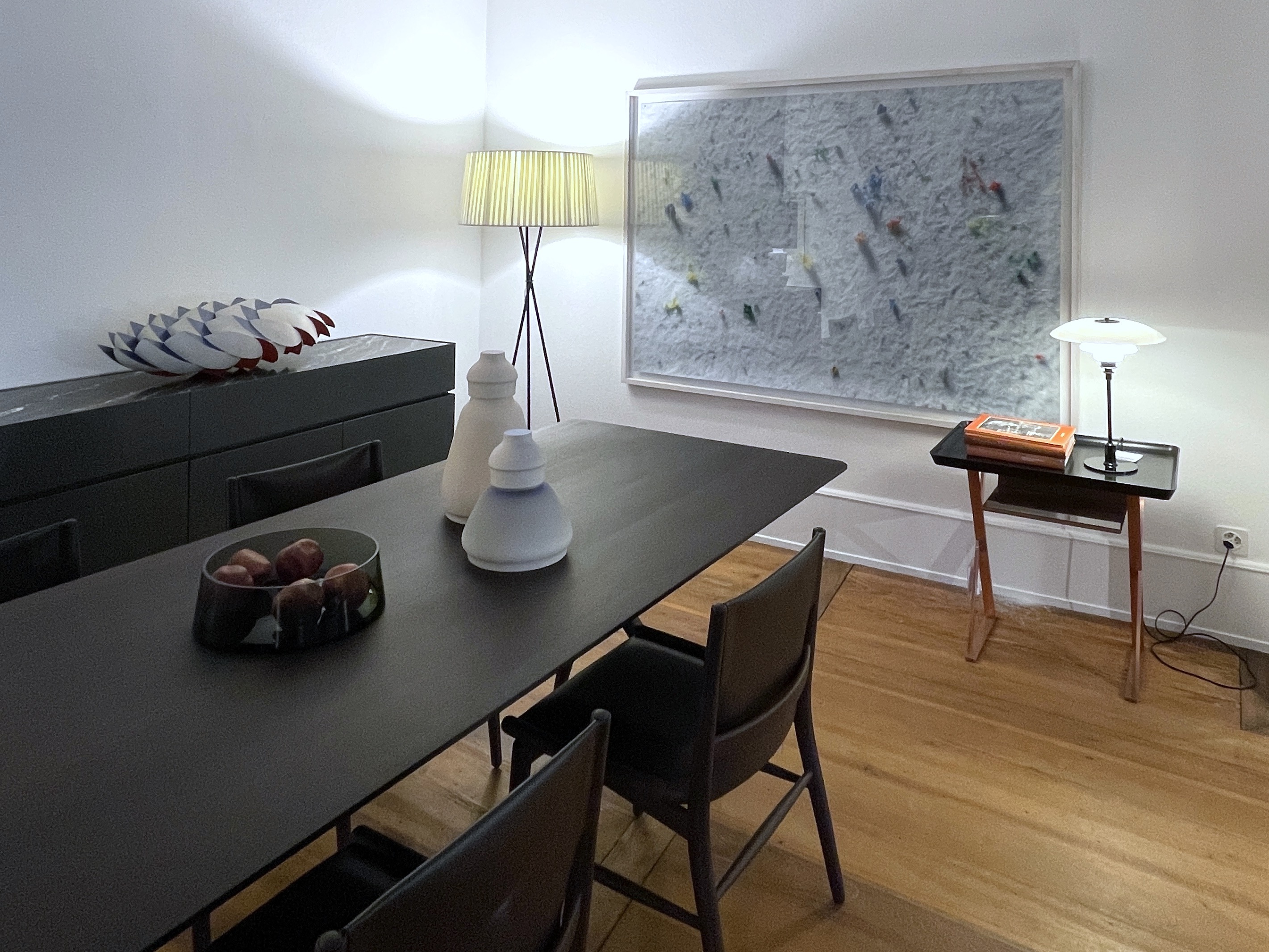
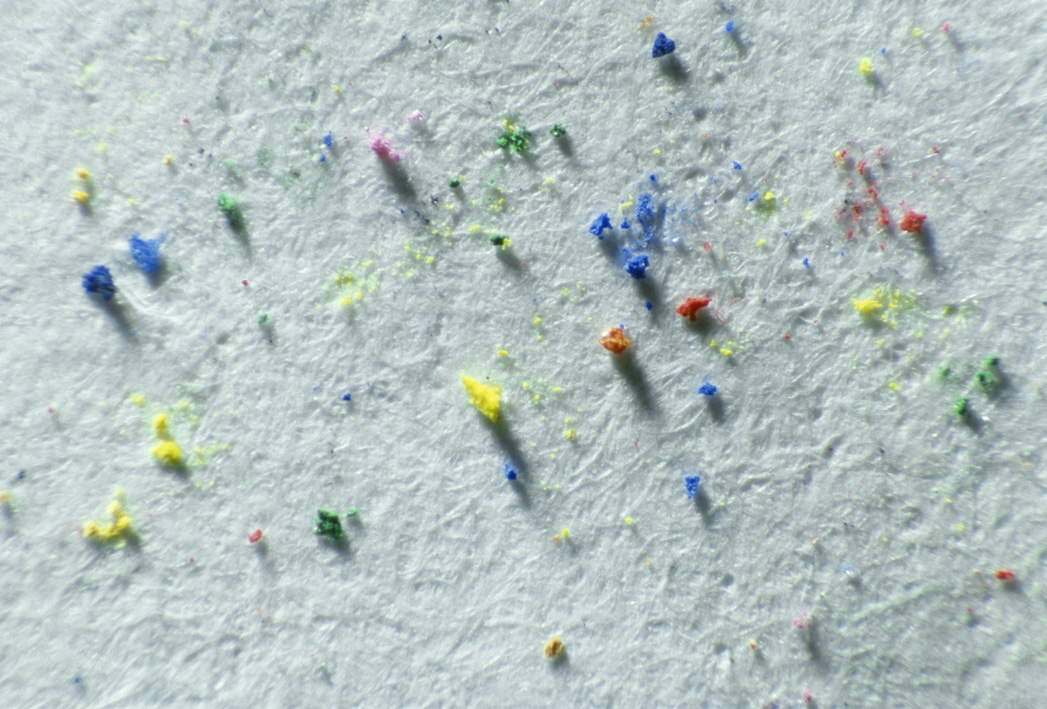
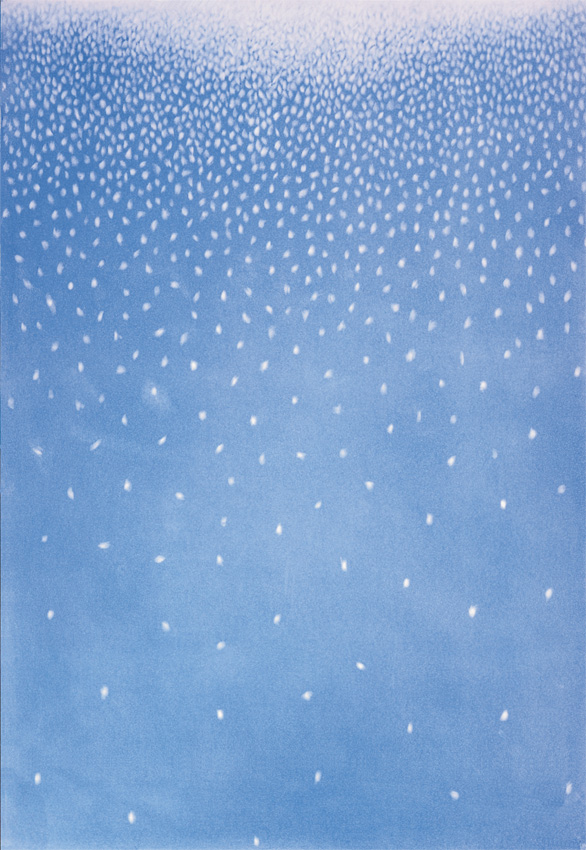
We are also exhibiting the late work «Autumn Dust», a large-format print. The starting point for this work is a «micro-drawing», which was photographed using a microscope and then enlarged. Berger is interested here in the question of crossing the boundaries from drawing to sculpture, or from two- to three-dimensionality.