Thonet
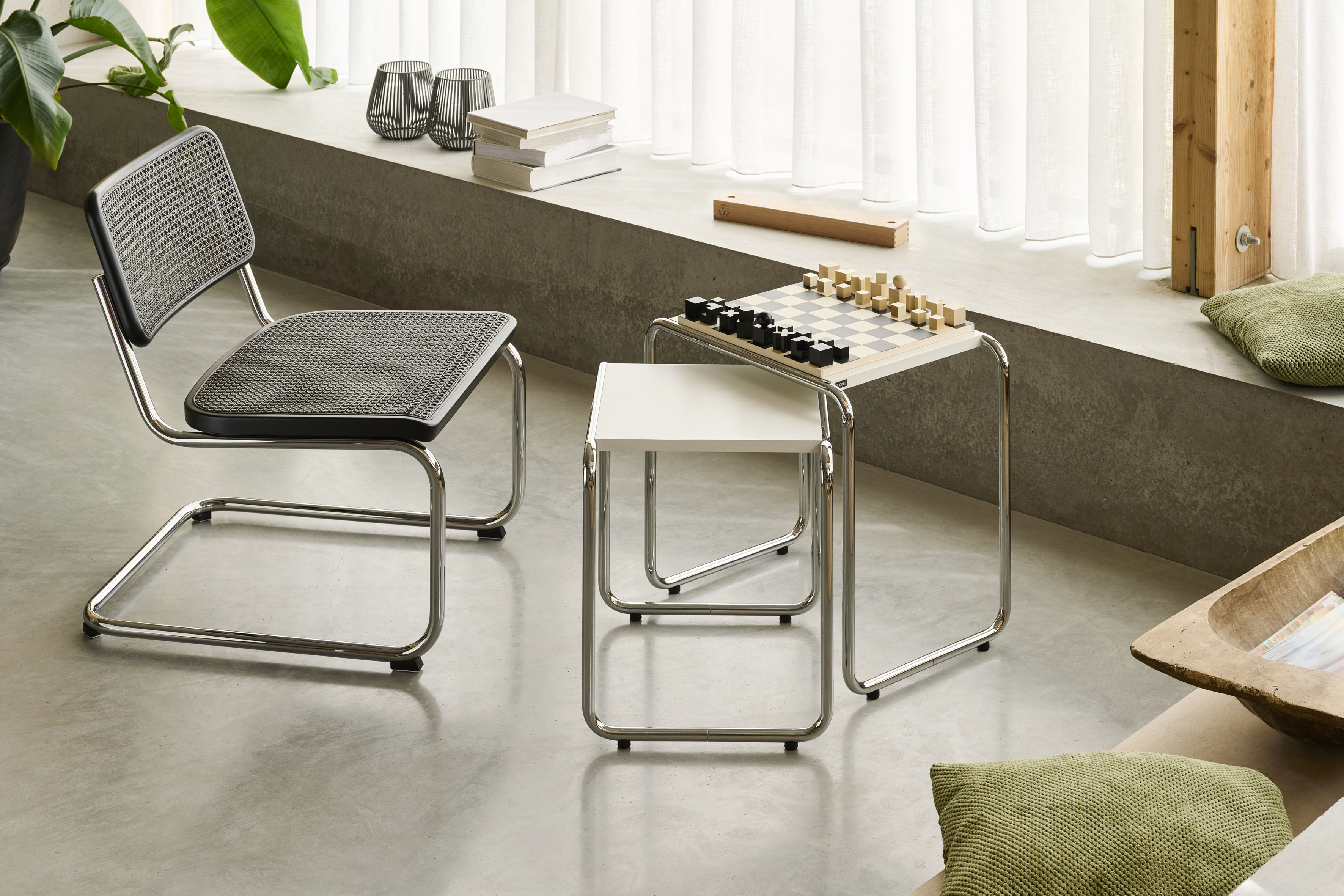
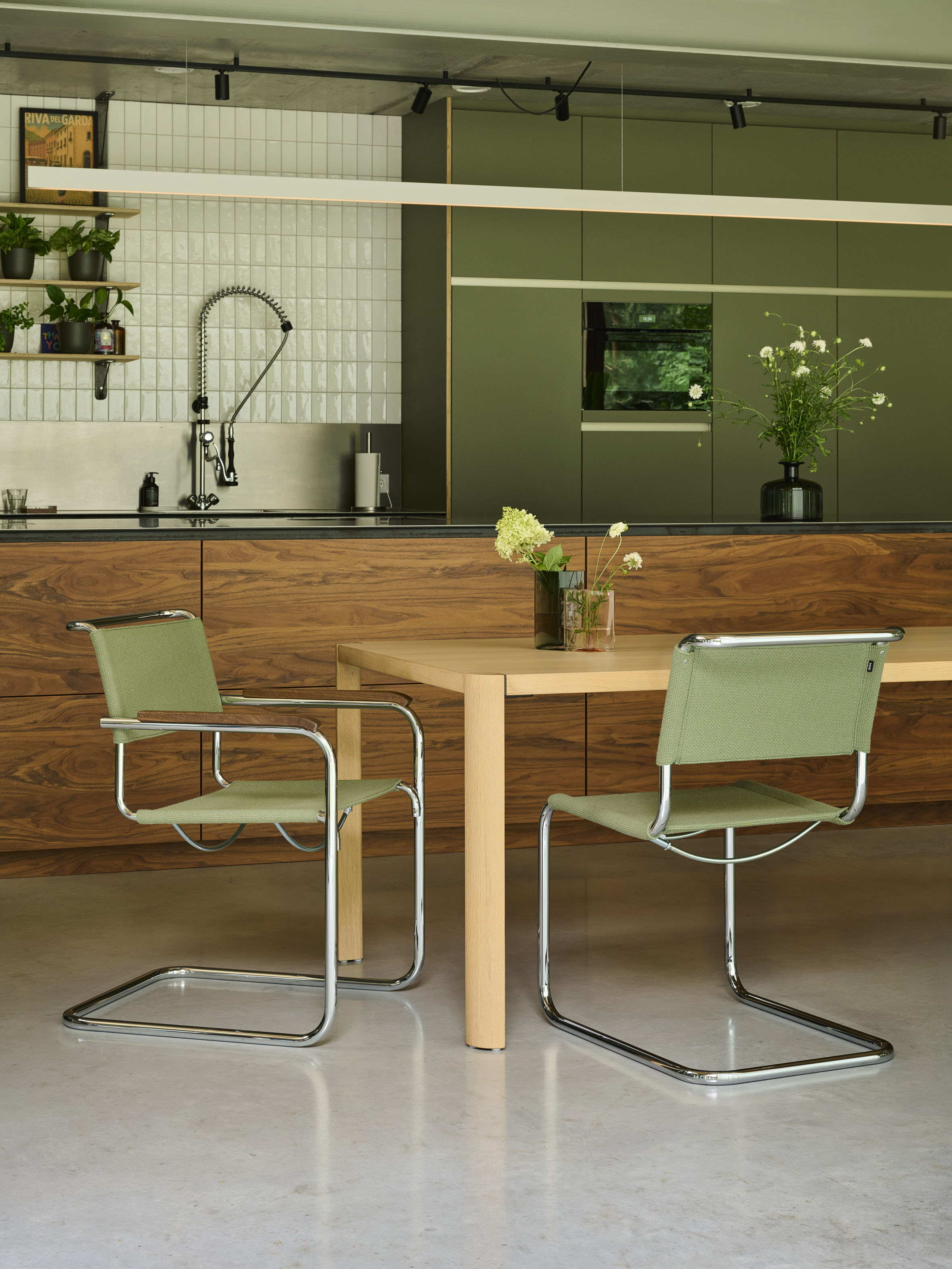
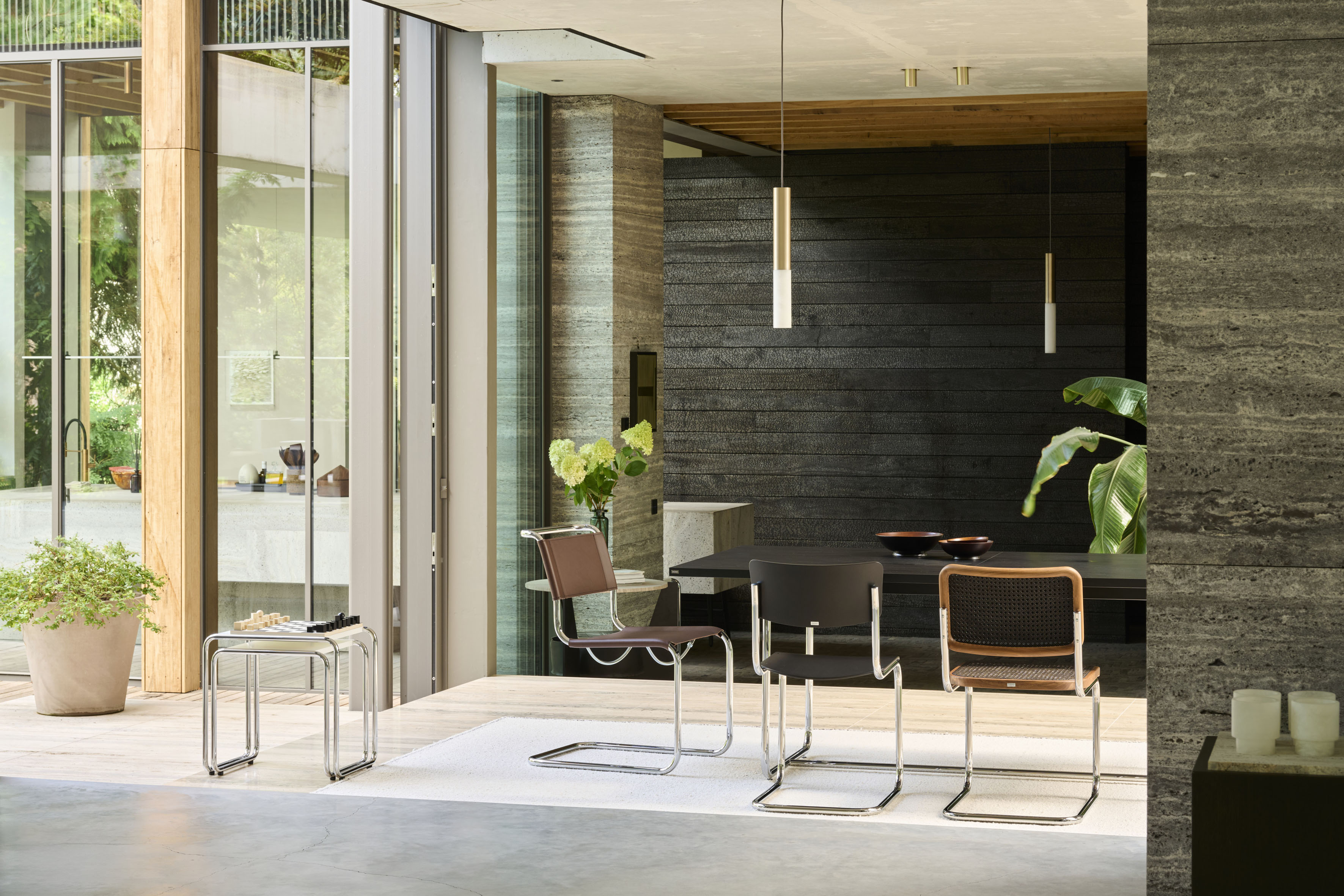
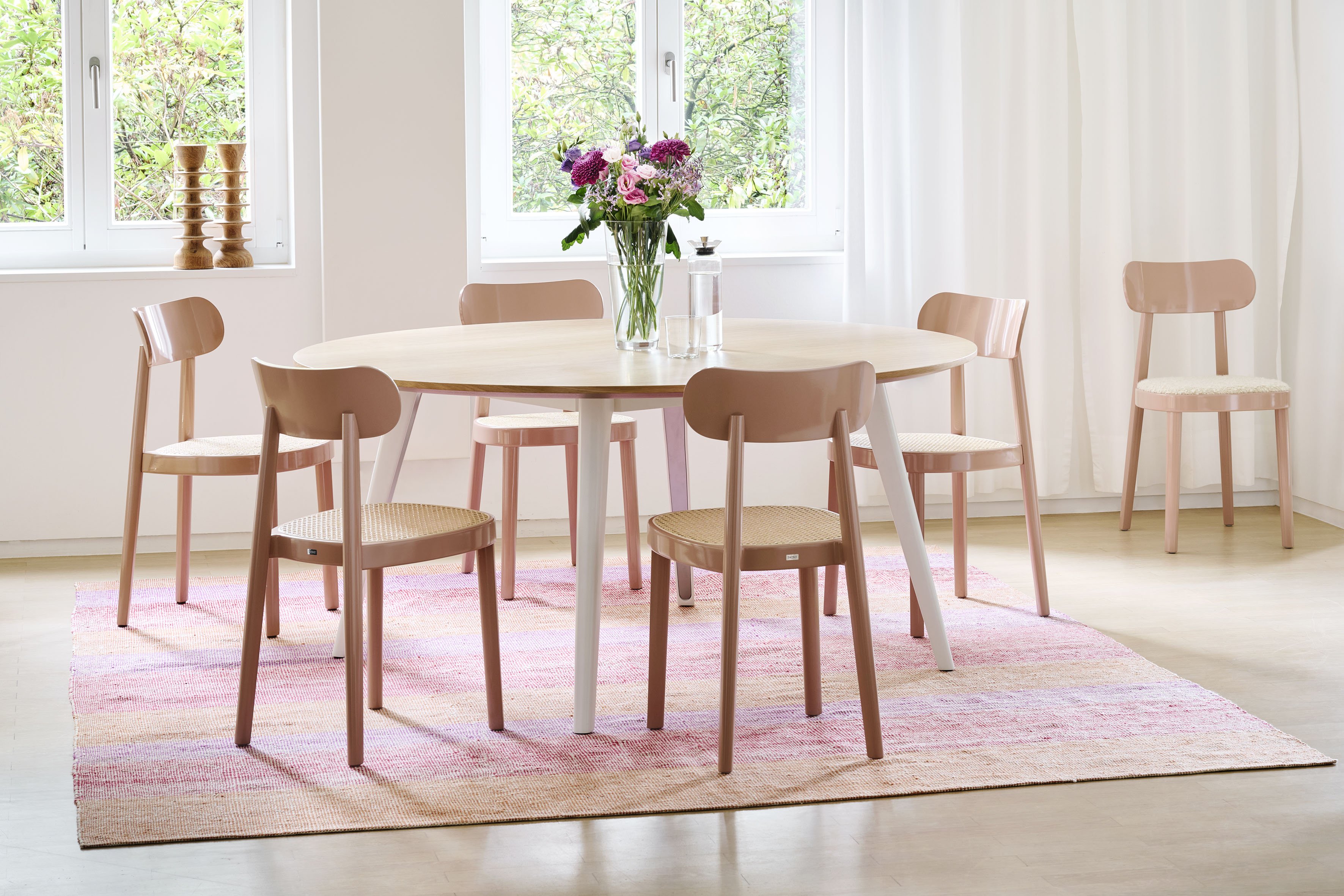
Thonet has been shaping the history of industrial furniture since 1819 and is regarded as one of Europe’s most established furniture manufacturers. Using steam-bent solid wood, Michael Thonet developed the coffeehouse chair «214» (1859): a lightweight construction made of curved wooden rods with a woven seat, intended for easy disassembly and global distribution. In the 1920s, the tubular steel designs of the Bauhaus era emerged, including the cantilever chairs «S 32» and «S 64» by Marcel Breuer: a curved tubular steel frame lacking rear legs, combined with wickerwork or leather, offering a springy seating experience.
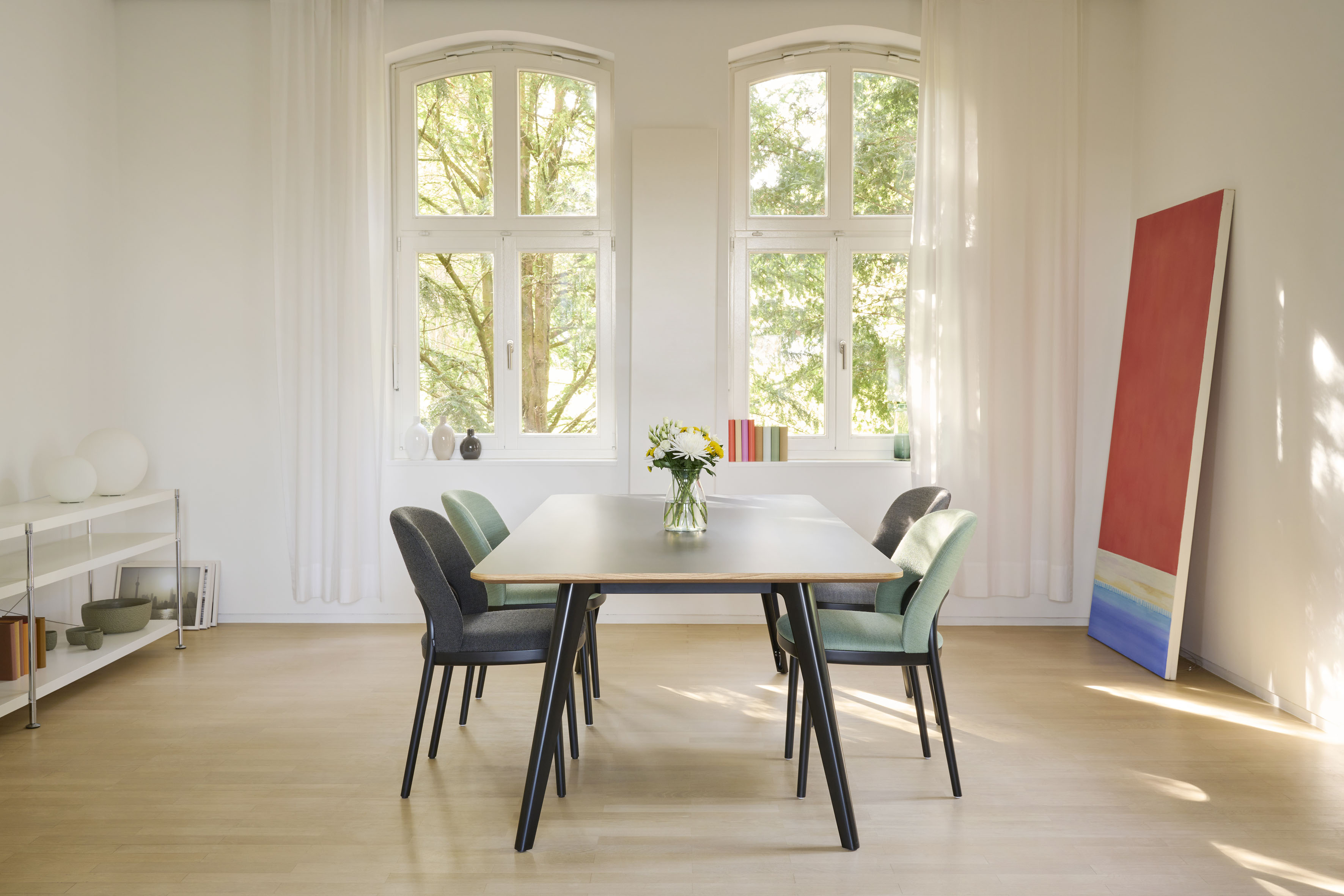
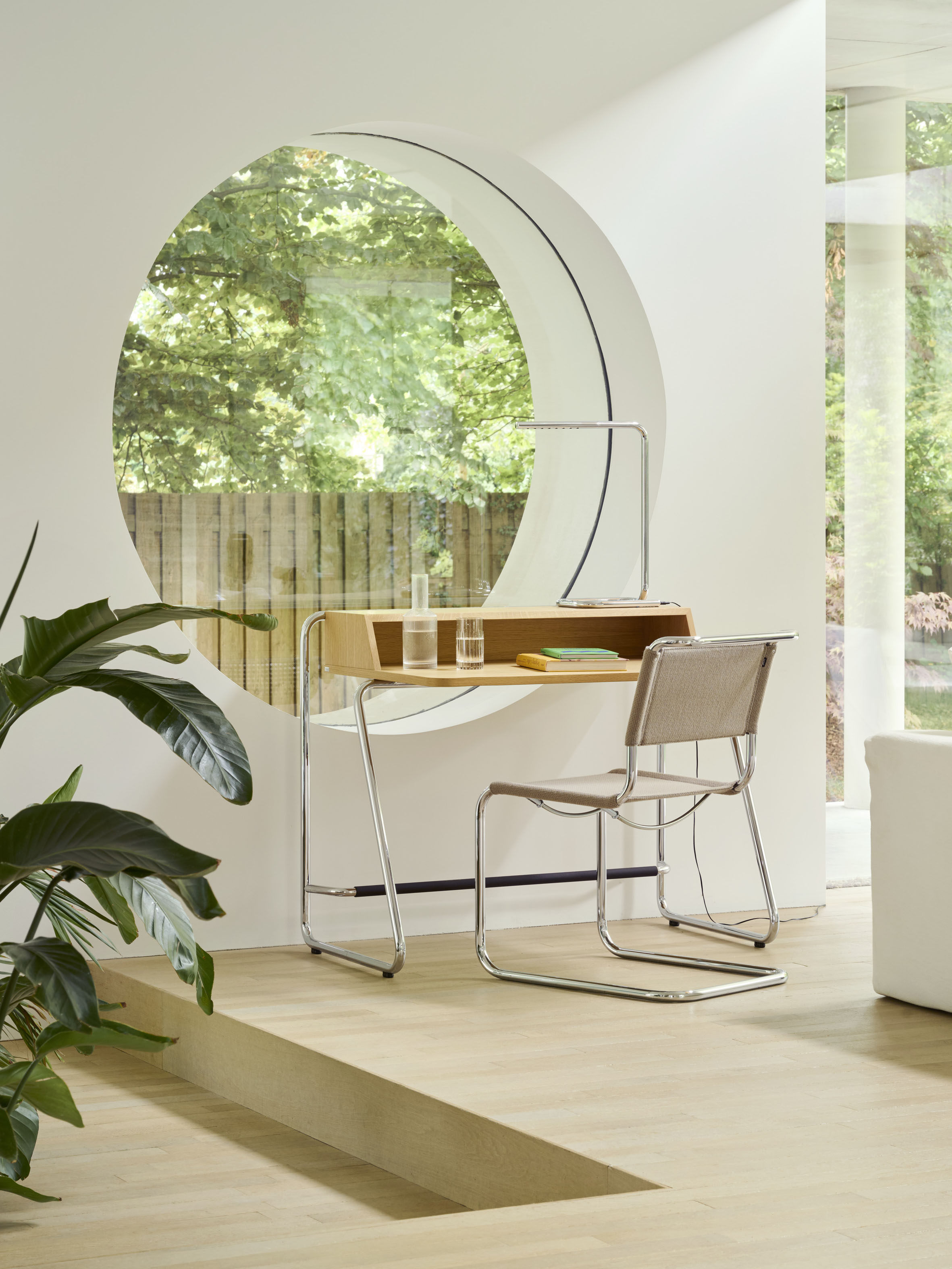
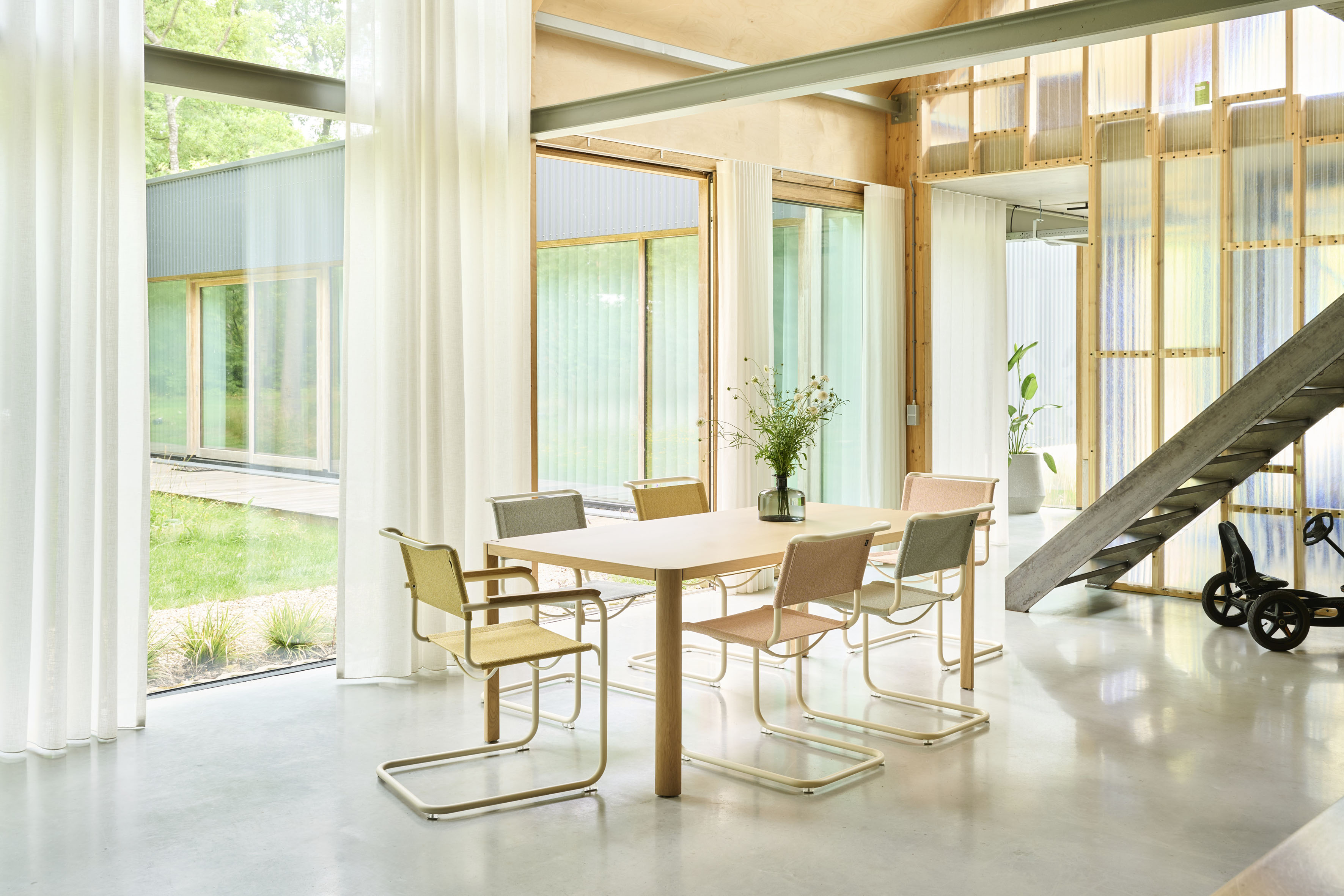
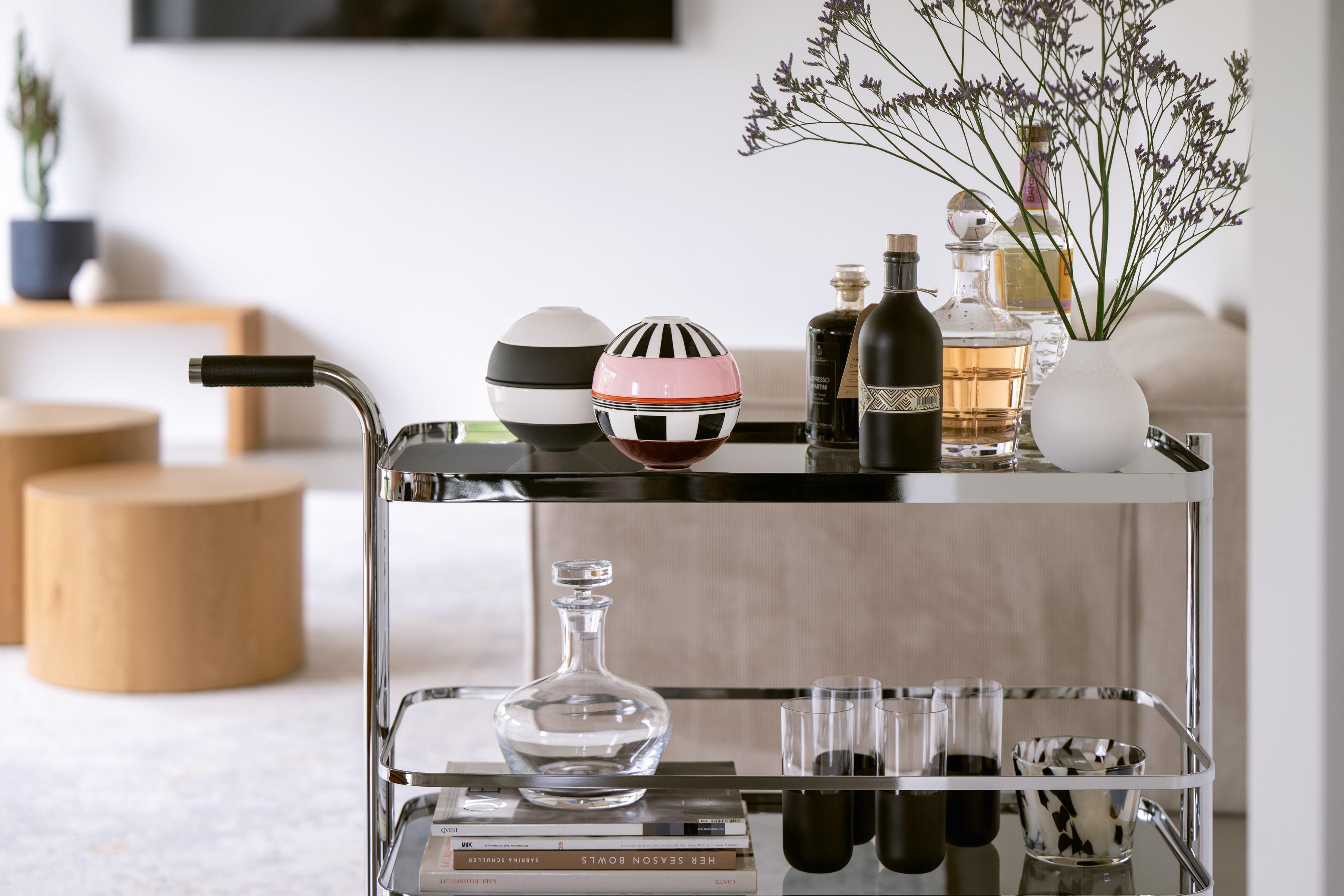
At teo jakob, Thonet classics are integrated into diverse spatial concepts – from private dining areas to public spaces. Wood types, weaves, and finishes are selected to suit each situation, allowing bentwood and tubular steel models to reveal their structural clarity within the space.show moreshow less
Thonet has been shaping the history of industrial furniture since 1819 and is regarded as one of Europe’s most established furniture manufacturers. Using steam-bent solid wood, Michael Thonet developed the coffeehouse chair «214» (1859): a lightweight construction made of curved wooden rods with a woven seat, intended for easy disassembly and global distribution. In the 1920s, the tubular steel designs of the Bauhaus era emerged, including the cantilever chairs «S 32» and «S 64» by Marcel Breuer: a curved tubular steel frame lacking rear legs, combined with wickerwork or leather, offering a springy seating experience.
At teo jakob, Thonet classics are integrated into diverse spatial concepts – from private dining areas to public spaces. Wood types, weaves, and finishes are selected to suit each situation, allowing bentwood and tubular steel models to reveal their structural clarity within the space.
show moreshow less